Water is patient, and given enough time it will find any weakness in a building. That is why waterproofing sits among the most critical stages of construction, whether the project is a family bathroom or a multi-level car park. Contractors sourcing illawarra waterproofing products soon notice that the materials suited to a suburban renovation can look very different from those specified on a commercial site. Understanding where those differences lie helps avoid costly mistakes and call-backs.
A Coastal Region With Its Own Demands
The Illawarra’s mix of coastal suburbs, escarpment rainfall, and salty sea air puts extra pressure on buildings. Moisture, humidity, and wind-driven rain all test membranes and sealants.
Both homes and commercial buildings face these conditions, but the scale, exposure, and compliance requirements of each project shape which supplies make sense.
What Residential Jobs Usually Call For
Wet Area Membranes
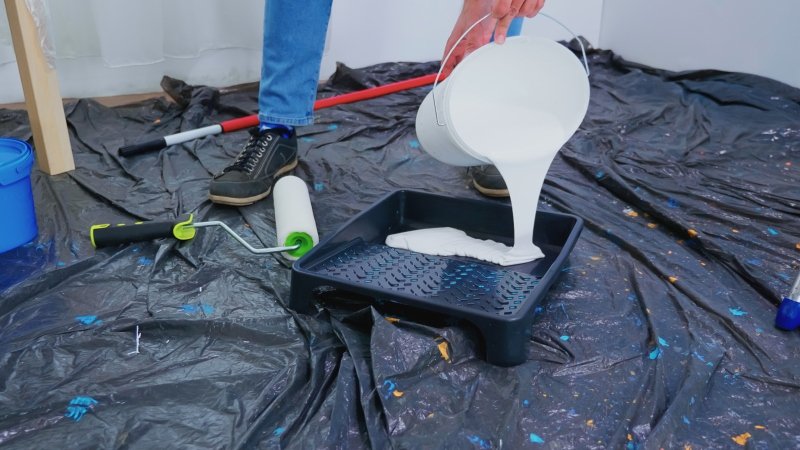
Bathrooms, ensuite, and laundries are the most common residential waterproofing tasks. Liquid-applied membranes, often water-based acrylic or polyurethane products, are popular because they are relatively easy to brush or roll on.
Balconies and Small Decks
Outdoor areas exposed to sun and rain need flexible membranes that cope with movement and UV. Tile-over systems are common where homeowners want a finished tiled surface.
Supporting Products
Primers, bond breakers, reinforcing fabric, flashings, and sealants complete most residential systems. Getting these small details right is often what separates a lasting job from a leaking one.
How Commercial Projects Scale Up
Larger Areas and Heavier Traffic
Commercial roofs, podium decks, and car parks cover far greater areas and often handle vehicle or foot traffic. Supplies need to withstand more wear and, in some cases, chemical exposure from fuels or cleaning agents.
Below-Ground Waterproofing
Basements, lift pits and retaining walls face hydrostatic pressure from groundwater. These situations may call for sheet membranes, crystalline treatments, or injection systems rather than simple coatings.
Sheet Membranes and Torch-On Systems
Bitumen-based sheet membranes, including torch-applied varieties, are common on commercial roofs. Synthetic sheet systems may also be specified where long service life and consistency over large areas are priorities.
Compliance and Documentation
Australian Standards
Residential wet areas are generally guided by AS 3740, while external above-ground membranes fall under AS 4654. Commercial projects may also involve detailed engineering specifications and additional testing.
Licensing and Certification
In New South Wales, residential waterproofing work is subject to licensing requirements. Commercial projects often require installer certification, product data sheets, and documented warranties as part of handover.
Quantity, Packaging, and Supply Logistics
Homeowners and small builders typically buy membranes in smaller pails with matching accessories. Commercial contractors often order in bulk, sometimes needing scheduled deliveries timed to construction stages.
Access to technical advice is also valued on larger jobs, where product choice can affect warranties and engineering approvals.
Common Mistakes to Avoid
- Using interior wet-area products outdoors
- Skipping primers or bond breakers
- Ignoring curing times before tiling or trafficking
- Mixing products from different systems without checking compatibility
Matching the Product to the Project
Residential and commercial waterproofing share the same goal but rarely the same materials. Considering exposure, traffic, compliance, and scale helps ensure the right supplies are used from the start. In a region where weather keeps buildings on their toes, that careful matching pays off for years.