Managing depression often involves more than finding a treatment that helps in the short term. People may need ongoing support to maintain progress, manage returning symptoms, and adjust their care as circumstances change. TMS therapy for depression is one treatment option that may help eligible individuals, particularly when depression has not improved enough with other approaches. Understanding how TMS fits into a broader care plan can help patients make informed decisions about their mental health.
Why Long-Term Depression Care Matters
Depression can affect sleep, concentration, motivation, relationships, and everyday responsibilities. Although some people respond well to an initial treatment, others experience persistent symptoms or periods when their condition becomes more difficult to manage.
This is why long-term depression care matters. Treatment doesn’t always end when symptoms improve. Follow-up appointments, monitoring, and a plan for responding to changes can help patients and providers identify when additional support may be needed.
A long-term approach may include medication, psychotherapy, lifestyle adjustments, or other evidence-based treatments. The right combination depends on a person’s symptoms, medical history, preferences, and response to previous care.
How TMS Therapy Fits Into Ongoing Depression Care
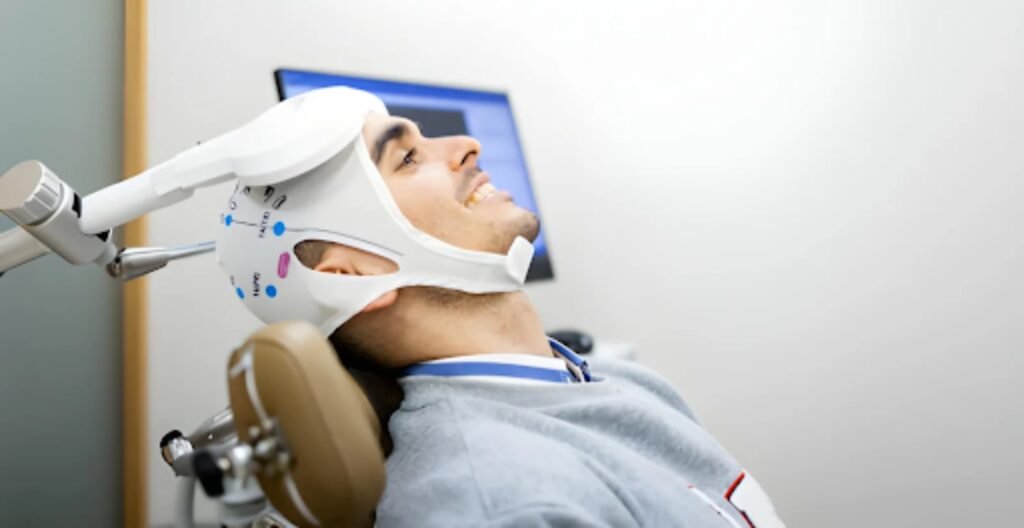
Transcranial magnetic stimulation (TMS) is a non-invasive treatment that uses magnetic pulses to stimulate specific areas of the brain involved in mood regulation. It is generally delivered through repeated sessions over a period of several weeks.
TMS may be considered for people with major depressive disorder, particularly when antidepressant medication hasn’t provided sufficient improvement or has caused difficult side effects. A qualified provider can assess whether it is an appropriate option based on the individual’s clinical history.
One important point is that TMS isn’t a guaranteed or permanent solution for depression. Some people experience meaningful improvement, while others have a partial response or don’t benefit as much as expected.
Its role in long-term care is to provide another treatment option within a broader plan—not to replace every other form of mental health support.
What Happens After Completing a Course of TMS?
Finishing an initial course of TMS is an important milestone, but follow-up remains useful. A provider may review changes in mood, sleep, energy, concentration, and daily functioning to understand how the person has responded.
Some individuals maintain their improvement after treatment, while others may notice that symptoms persist or return over time. There is no single timeline that applies to everyone.
After treatment, follow-up care may involve:
- Monitoring depression symptoms: Tracking changes in mood, motivation, sleep, and everyday activities.
- Reviewing treatment progress: Discussing which symptoms improved and whether any concerns remain.
- Continuing medication when appropriate: Reviewing prescriptions with the clinician responsible for medication management.
- Considering additional treatment: Discussing suitable options if symptoms remain significant or return.
- Planning future appointments: Establishing when to check in and whom to contact if concerns arise.
Not everyone needs further TMS sessions after an initial course. If symptoms return, a clinician may consider whether repeat treatment or another approach is appropriate.
Can TMS Help Maintain Depression Improvement?
TMS can help some people experience improvement in depressive symptoms, but the duration of that improvement varies. Long-term outcomes depend on individual circumstances, including the course of depression, response to treatment, and other aspects of ongoing care.
It’s helpful to distinguish between symptom improvement and continued recovery. Feeling better after treatment is encouraging, but it doesn’t necessarily mean that future symptoms are impossible.
Patients can work with their providers to identify changes that may warrant attention and agree on a plan for follow-up. This can make it easier to respond if their needs change.
It’s also important not to interpret an occasional difficult day as proof that treatment has stopped working. Looking at patterns over time and discussing persistent changes with a clinician provides a more useful picture.
Does TMS Therapy Help Anxiety?
Depression and anxiety can occur together, so it’s understandable that people receiving TMS for depression may also have questions about anxiety symptoms.
Does TMS Therapy Help Anxiety is a question worth discussing with a qualified mental health professional. TMS is an established treatment for certain cases of depression, but its role in anxiety disorders depends on the specific condition and clinical circumstances. Evidence and treatment protocols can differ, and TMS should not be presented as a guaranteed treatment for anxiety.
If someone experiences both depression and anxiety, their provider can assess each condition and discuss suitable treatment options. Depending on individual needs, care may include psychotherapy, medication, or other recommended approaches alongside depression treatment.
The key is to make sure that all significant symptoms are discussed during the evaluation rather than assuming that improvement in depression will automatically resolve anxiety.
Supporting Long-Term Progress Between Appointments
Professional care is central to managing depression, but everyday routines can also support overall well-being. These habits don’t replace treatment, and they cannot guarantee that symptoms won’t return. However, they may help people build structure and notice changes in their mental health.
Consider the following strategies:
- Keep a regular sleep schedule. Consistent sleep and wake times can support a more predictable routine.
- Stay connected with supportive people. Regular contact with trusted friends or family can reduce isolation.
- Set manageable goals. Break larger responsibilities into smaller steps when motivation or energy is low.
- Make time for meaningful activities. Gradually return to hobbies and activities that feel rewarding.
- Attend follow-up appointments. Discuss ongoing concerns and changes in symptoms with your provider.
- Ask for support early. Contact a professional when symptoms persist or begin interfering with daily life.
Long-term care doesn’t require perfect routines. The aim is to build realistic habits and seek support when maintaining them becomes difficult.
When Should You Revisit Your Depression Treatment Plan?
A treatment plan may need review if depression symptoms persist, return, or begin affecting everyday functioning again. Changes in sleep, concentration, motivation, appetite, or interest in usual activities can be worth discussing with a clinician, especially when they continue over time.
You may also want to revisit your plan if medication side effects are difficult to manage or you’re uncertain about the next step after TMS.
During an appointment, consider asking:
- How should we monitor my progress after TMS?
- What should I do if depressive symptoms return?
- Should I continue my current medication?
- Could additional TMS treatment be appropriate in my situation?
- Are there other treatments that may help address my symptoms?
Avoid changing prescribed medication or stopping treatment without guidance from your healthcare provider. If you experience thoughts of suicide or feel unable to keep yourself safe, seek immediate help through local emergency services or a crisis support service.
Building a Sustainable Approach to Depression Care
Long-term depression care is not the same for everyone. Some people benefit from a course of TMS and maintain their progress, while others need ongoing medication, psychotherapy, further treatment, or a combination of approaches.
The most useful plan is one that reflects the individual’s symptoms, treatment history, and changing needs. Regular communication with a qualified mental health professional can help patients understand their progress and make informed decisions about future care.
TMS can be an important option for eligible people with depression, but it works best as part of an individualized approach that includes appropriate follow-up. By staying aware of symptom changes and discussing concerns early, patients can take a more active role in managing their mental health over time.