
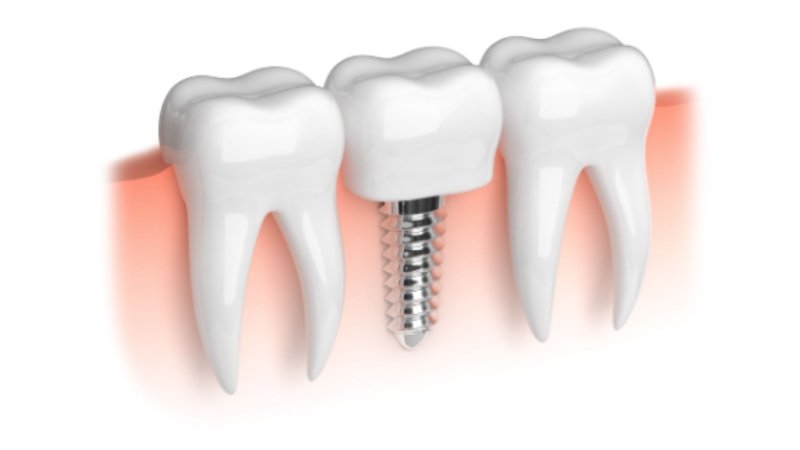
A dental implant is often talked about as a replacement for a missing tooth, but the real story starts with the tissue surrounding it. Gums do far more than just frame your smile. They protect the bone underneath, and that bone is exactly what an implant depends on to stay stable for years.
If gum health is ignored before or after implant treatment, even a well-placed implant can run into trouble. This article explains why gums matter so much in this process and what happens when they aren’t properly cared for.
What Gums Actually Do for an Implant
An implant isn’t just sitting loose in your mouth. It’s anchored into the jawbone, and the gum tissue around it acts like a protective seal. This seal keeps bacteria and food particles from reaching the bone below, which is critical since that bone is what holds the implant firmly in place.
Think of it like a fence around a garden. The fence itself isn’t the plant, but it protects everything growing inside from outside damage. Healthy gums work the same way for an implant, keeping harmful bacteria away from the more vulnerable structures underneath.
The Link Between Gum Disease and Implant Failure
Gum disease, sometimes called periodontal disease, doesn’t just affect natural teeth. It can also affect the tissue and bone around an implant, leading to a condition called peri-implantitis.
What Is Peri-Implantitis?
Peri-implantitis is inflammation around an implant that, left untreated, can lead to bone loss. This is one of the leading causes of implant failure, and it often develops slowly, without obvious pain in the early stages.
How It Develops
This condition usually starts the same way gum disease does around natural teeth: plaque and bacteria build up along the gumline. Around an implant, this buildup can cause the same kind of gum inflammation, redness, and bleeding seen in early gum disease. If it isn’t addressed, the inflammation can spread deeper, affecting the bone that holds the implant steady.
Why Gum Health Matters Before Implant Placement
Gum health isn’t just something to think about after the implant is in place. It plays a big role even before surgery happens.
Treating Existing Gum Disease First
If a patient has active gum disease when they come in for an implant consultation, most dentists recommend treating that first. Placing an implant into gums that are already inflamed or infected increases the risk of complications, since the tissue isn’t in a healthy state to support new dental work.
Building a Stable Foundation
Healthy gums usually mean healthier bone underneath as well, since long-term gum disease is a major cause of bone loss in the jaw. A dentist checking gum health before implant placement is really checking whether the foundation is strong enough to support a long-term solution.
How Dentists Check Gum Health Before Treatment
Before recommending implants, a dentist typically evaluates the gums closely, not just the missing tooth space.
Measuring Gum Pockets
Dentists use a small tool to measure the depth of the space between the gum and tooth, called a pocket. Shallow pockets usually indicate healthy gums, while deeper pockets often point to gum disease that needs treatment first.
Checking for Bleeding and Inflammation
Gums that bleed easily during a routine check, or that look red and swollen rather than firm and pink, are signs of active inflammation. This needs to be addressed before moving forward with implant surgery.
Reviewing Bone Levels With X-Rays
Since gum disease often leads to bone loss, X-rays help dentists see how much bone remains in the area where an implant is planned. Thin or damaged bone might need additional treatment, like a bone graft, before an implant can be placed safely.
Why Gum Health Matters After Implant Placement
Getting the implant placed successfully is only part of the process. Long-term success depends heavily on how well gum health is maintained afterward.
Daily Care Around the Implant
Just like natural teeth, implants need regular brushing and cleaning around the gumline. Plaque can build up around an implant the same way it does around a natural tooth, and if it’s not removed, it can lead to the same inflammation that causes peri-implantitis.
Why Flossing Around Implants Matters
Flossing around an implant helps remove plaque from areas a toothbrush can’t fully reach, especially between the implant and neighboring teeth. Skipping this step regularly increases the risk of gum irritation building up unnoticed over time.
Regular Dental Checkups
Routine visits allow a dentist to catch early signs of gum inflammation around an implant before it turns into a bigger problem. Since early peri-implantitis often doesn’t cause noticeable pain, these checkups are one of the main ways problems get caught in time to treat them easily.
Risk Factors That Make Gum Health Even More Important
Some patients face a higher risk of gum problems around implants, which makes ongoing gum care even more essential for them.
Smoking
Smoking reduces blood flow to the gums, which slows healing and makes it harder for the body to fight off infection. This significantly raises the risk of both gum disease and implant complications.
Diabetes
Uncontrolled diabetes can affect how well the body heals and fights infection, including in the gums. Patients with diabetes often need closer monitoring of their gum health both before and after implant placement.
History of Gum Disease
Patients who’ve had gum disease in the past are more likely to experience it again, including around implants. This doesn’t rule out implants as an option, but it does mean gum health needs extra attention throughout the entire process.
Real Patient Example
Picture two patients getting the same single-tooth implant. One has healthy gums with no history of gum disease, brushes and flosses consistently, and attends regular checkups. Their implant is likely to last many years without complications.
The other patient has a history of gum disease that wasn’t fully treated before the implant was placed, and they skip regular cleanings afterward. Within a couple of years, they start noticing gum swelling and mild discomfort around the implant. An exam reveals early peri-implantitis, requiring treatment to prevent further bone loss around the implant.
Same procedure, same type of implant, but very different outcomes based largely on gum health before and after treatment.
Signs That Gum Health Around an Implant Needs Attention
Patients with implants should watch for a few warning signs that indicate gum problems may be developing.
- Redness or swelling around the implant
- Bleeding when brushing or flossing near the implant
- A bad taste or odor near the implant area
- Any looseness or shifting feeling around the implant
Catching these signs early and reaching out to a dentist quickly can often prevent more serious bone loss down the line.
Planning for Long-Term Implant Success
Since gum health plays such a central role, many dentists build gum evaluation into every stage of implant treatment, not just the initial consultation. This includes checking gum health during the healing period, at the time the final crown or bridge is placed, and at every follow-up visit afterward.
A patient exploring dental implants park ridge clinics offer would typically go through this same layered approach, since gum health checks happen throughout treatment, not just at the very beginning.
Why This Connection Often Gets Overlooked
Many patients focus heavily on the implant itself, like its material or how it will look, without realizing how much the surrounding gum tissue affects the outcome. Gum health isn’t a side note in implant treatment; it’s one of the main factors that determines whether an implant lasts five years or twenty.
Someone researching dental implants park ridge options should ask directly about how gum health is assessed and monitored throughout treatment, since this detail often gets less attention than it deserves during initial consultations.
Conclusion
Gum health isn’t a separate issue from implant success; it’s directly tied to it. Healthy gums protect the bone that holds an implant steady, while gum disease can quietly cause bone loss that eventually threatens the implant itself. This is why dentists check gum health before treatment, encourage careful daily cleaning afterward, and schedule regular checkups to catch any early warning signs.
If you’re considering implants, treating your gums as seriously as the implant itself is one of the simplest ways to protect your investment for years to come.