
You want to maximize the net profit on your home sale, but overspending on the wrong renovations will quickly drain your equity. The home improvements that actually pay off are low-cost, high-impact cosmetic updates and exterior curb appeal enhancements. Highly expensive, subjective gut remodels rarely recoup their costs compared to strategic cosmetic adjustments. Understanding buyer psychology is the secret to avoiding overspending on pre-listing renovations.
What Is the Buyer Perception Gap?
The buyer perception gap is the psychological tendency for home buyers to massively overestimate the financial cost and time required to complete basic home repairs. Sellers can use this pricing advantage to multiply their final return by delivering a clean, modern aesthetic.
Modern buyers, especially in tech-forward markets, have hectic schedules and lack construction experience. When they tour a property and see outdated rooms or minor damage, they instantly panic. They mentally deduct heavily inflated repair estimates from their offer price.
Consider the math of this psychological gap. A scratched floor or outdated wall color might only cost two thousand dollars to fix professionally. However, an uneducated buyer will view that same cosmetic flaw and mentally subtract ten thousand dollars from their offer to cover the perceived hassle.
By focusing on the cost-to-value ratio of updates, sellers can strategically invest in high-impact fixes rather than blind remodeling. You only spend money on the specific projects that will yield a direct increase in the final appraisal. This targeted approach prevents you from subsidizing a buyer’s future design choices.
Presenting a finished home directly answers the modern buyer’s immediate needs. Data indicates that modern buyers prioritize energy efficiency, smart technology, and outdoor living spaces. This preference makes move-in readiness a critical factor for appraisals and high resale value. Giving buyers a space they can occupy immediately prevents them from imagining a lengthy, expensive construction process.
Which Exterior Home Improvements Offer the Highest ROI?
Exterior and curb appeal projects consistently deliver the highest percentage of cost recouped nationally. First impressions directly impact a property’s final sale price. Focus your budget on exterior touch-ups, landscaping cleanup, and garage doors to secure a highly profitable return.
A buyer’s first look at your property sets the financial tone for the rest of the tour. Simple tasks like cleaning up overgrown landscaping and painting the front door create an immediate sense of care and deep maintenance. These basic exterior replacements consistently outperform nearly every other interior renovation category.
The data heavily supports the power of strong curb appeal. According to Zillow, garage door replacements rank top for ROI in the current market. These simple installations routinely recoup up to 349.3% of their initial cost.
Industry experts confirm that exterior updates hold their value far better than interior overhauls. As Clay DeKorne, Chief Editor of Zonda’s JLC Group, explains in the 2025 Cost vs. Value Report:
“Exterior replacement projects remain the clear winners when it comes to adding resale value… While large interior remodels may be personally rewarding, their appeal is often too subjective to deliver the same return when it’s time to sell.”
Before committing capital to siding repairs, trim paint, or entryway upgrades, reviewing neighborhood comps with an experienced real estate company in Seattle ensures your pre-listing improvements match King County buyer expectations. Combining targeted exterior renovations with professional staging, accurate pricing strategy, and structured listing preparation protects net proceeds and builds buyer confidence before they ever step into the kitchen.
Interior Upgrades: Balancing “Mechanics” vs. “Jewelry”
To maximize profits, you must strategically allocate your renovation budget between essential functional repairs and high-impact cosmetic updates. Sellers need a healthy balance between system integrity to pass buyer inspections and aesthetic interior finishes that ultimately spark emotional bidding wars.
Mechanics are the essential functional systems of your property. This critical category includes your internal plumbing, electrical panels, HVAC units, and the roof. These elements must function properly to pass a home inspection and protect your equity during tense negotiations.
Jewelry is the cosmetic layer that creates emotional appeal for the buyer. These are the modern finishes, attractive lighting fixtures, and fresh paint colors that people fall in love with. While strong mechanics keep a deal together, the jewelry is what actually drives up the final sale price.
Ignoring the mechanics to fund the jewelry is a common seller mistake. If a home inspector discovers a failing roof or dangerous electrical panel, the buyer will immediately demand steep concessions or walk away entirely. Securing the functional bones of the house protects your negotiating power.
You must distinguish between authentic, durable updates and superficial, problematic cosmetic flips. Covering up serious plumbing issues with fresh paint will eventually surface during the buyer’s inspection process. Fix the required mechanics first, then spend your remaining budget on beautiful, high-quality jewelry.
Why Minor Kitchen and Bathroom Remodels Win
Cosmetic, minor updates to high-traffic rooms yield higher net profits than massive luxury overhauls. Updating high-visibility elements makes a space bright and entertaining-friendly. You achieve a modern feel without the excessive material cost and labor delays of a studs-out remodel.
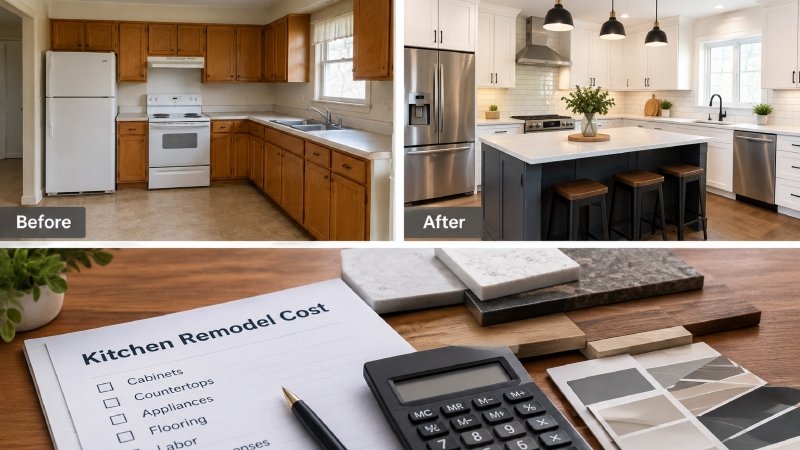
Replacing worn cabinet hardware, installing modern countertops, and adding contemporary lighting completely transforms an outdated cooking space. These targeted changes make the room feel bright and welcoming for guests. You get the look of a brand new kitchen without the downtime and massive expense of tearing out cabinets or moving structural plumbing.
Upgrading outdated appliances provides another massive boost to your resale value. Swapping mismatched or failing units for a cohesive stainless steel appliance suite instantly signals quality to a prospective buyer. They view brand new appliances as a guarantee that they will not face surprise replacement costs during their first year of ownership.
The financial returns on these smaller projects are excellent. Zonda’s current data indicates that a minor midrange kitchen remodel recoups an average of 113% of its cost. It is one of the few interior projects that consistently returns more money than you originally spend on it.
Apply this same strategic logic to the primary bathroom. Prioritize installing new vanities and clean aesthetics over knocking down walls to expand the room’s overall footprint. A clean, updated bathroom gives buyers the spa-like feel they want at a fraction of a full remodel’s price.
High-Impact Cosmetic Fixes That Sell Homes Faster
Specific, low-cost interior changes instantly resolve buyer fears by delivering a finished aesthetic. Applying fresh neutral paint, updating worn flooring, and opening cramped floor plans slightly are fast, affordable ways to completely modernize a property before putting it on the market.
Fresh, neutral interior paint is the most effective tool for brightening tired rooms. A new coat of paint removes personalized odors, covers wall scuffs, and provides a blank canvas for buyers to picture their own furniture. Sticking to warm whites or light grays appeals to the widest possible audience.
Flooring sets the physical tone for the entire house. Refinishing existing hardwoods or replacing heavily worn carpeting instantly modernizes the home’s overall flow. Clean, consistent floors remove major friction points for buyers who worry about immediate replacement costs.
Small details like consistent doorknobs and cabinet pulls also carry significant weight. Replacing shiny brass fixtures with modern matte black or brushed nickel hardware unifies the home’s design. These tiny updates cost very little but make the entire house feel professionally designed.
Finally, opening up cramped or compartmentalized floor plans slightly can create the modern open-concept spaces buyers expect. Removing a non-load-bearing partition wall between a kitchen and dining room changes the entire feel of the main floor. These targeted cosmetic fixes make the home feel vast and move-in ready.
What Are the Worst Home Improvements for Resale Value?
Highly subjective or structurally invasive construction projects routinely fail to recoup their initial investment. Sellers should explicitly avoid spending money on massive interior expansions unless they consult a professional on the precise cost-to-value ratio for their specific neighborhood beforehand.
Blind, full-gut remodeling is an easy way to lose your built-up equity. Construction costs easily spiral out of control during major structural changes, especially when contractors discover hidden issues behind old walls. These massive expenses rarely translate dollar-for-dollar into a higher asking price.
Highly personalized luxury additions often deter buyers who do not share those specific tastes. Specialized media rooms, niche hobby spaces, or built-in aquariums hold value only for the person who originally built them. Future buyers often view these expensive features as a liability they will eventually have to pay to remove.
High-maintenance outdoor features like massive swimming pools or complex gardens also fall into this high-risk category. Many buyers view large pools as a safety hazard and a continuous drain on their monthly budget. Instead of adding value, these features shrink your pool of potential buyers to a very specific demographic.
Never start tearing down walls based on a hunch or television shows. Always speak with a real estate professional to understand your local market dynamics before starting major work. Your goal is to appeal to the masses, not to build your personal dream home right before leaving it.
Conclusion
The most profitable home improvements use buyer psychology to your advantage by focusing on move-in-ready cosmetic jewelry and flawless essential mechanics. Minor kitchen updates, fresh neutral paint, and basic exterior replacements will reliably maximize your net profit at the closing table.
Buyers pay a premium for homes that require zero immediate effort. By delivering an updated exterior and a clean, modernized interior, you eliminate their fear of hidden repair costs.
Do not spend another dollar on renovations until you know exactly what your local market demands. Book a consultation with Get Happy at Home to evaluate your property’s specific cost-to-value ratio before you swing a hammer.