Breakouts can be frustrating. Acne is the most common skin condition in the United States, affecting up to 50 million Americans each year. In Far Hills, NJ, seasonal changes, sweat, and sunscreen habits may influence how a routine feels, but they do not explain every breakout. Acne affects teenagers and adults alike, and no single routine works for everyone. Understanding what drives your breakouts is more useful than constantly switching products.
Acne Begins Beneath the Surface
A visible blemish is often the result of activity inside a hair follicle. Excess oil and dead skin cells can block the pore, while inflammation and the presence of acne-associated bacteria contribute to different types of lesions.
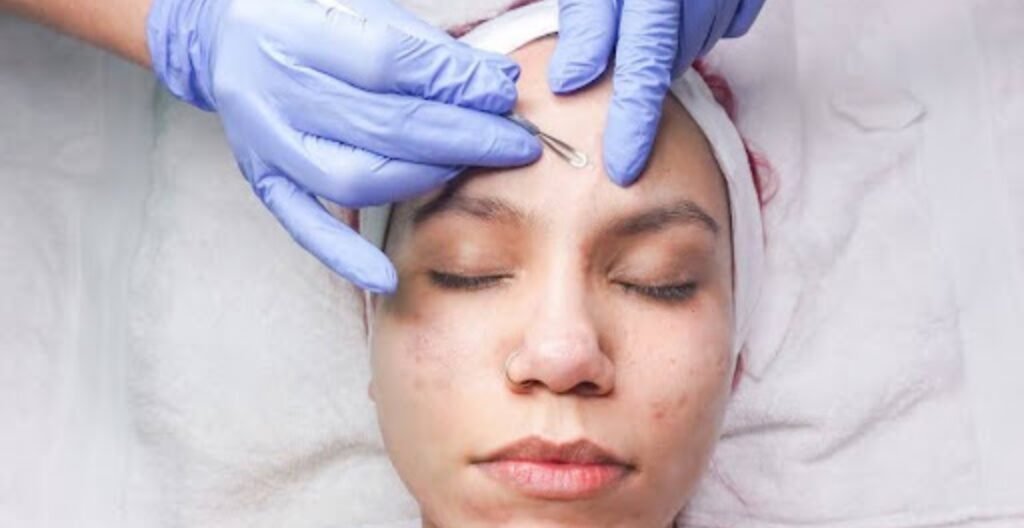
Blackheads and whiteheads are non-inflammatory forms of acne. Papules and pustules are inflamed bumps, while deeper nodules can be painful and may increase the risk of scarring. These differences matter because a routine that helps mild congestion may not be enough for persistent, deep lesions.
Instead of trying to dry out every spot, consider the pattern. Where do breakouts appear? Are they mostly small bumps, inflamed pimples, or deeper lumps? Do they recur in the same places? Those details help a dermatologist identify the type and severity of acne and select appropriate treatment.
Personalized Care Can Help When Breakouts Persist
Breakouts may be influenced by several overlapping factors, including hormones, skincare habits, medication, and friction. If you are seeking support in Far Hills, it is important to choose an approach based on the condition of your skin rather than a generic promise.
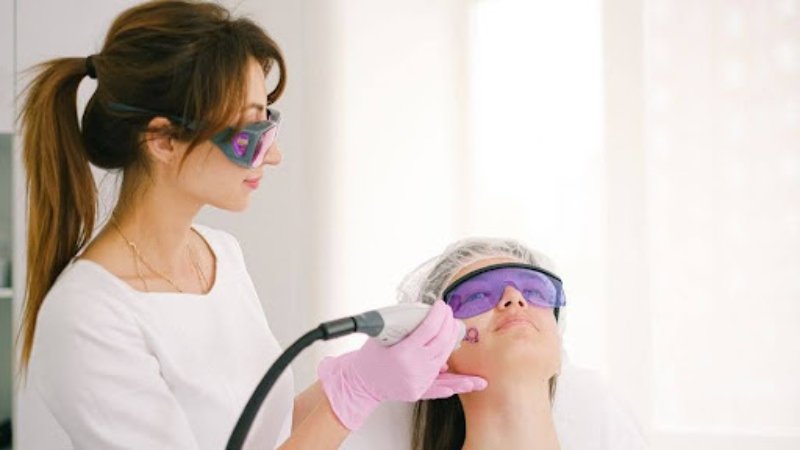
For those who have not seen results with over-the-counter products, exploring acne treatment in Far Hills can help them better understand available approaches to managing persistent breakouts.
Before committing to a service, ask who assesses your skin, what the treatment involves, what evidence supports it, and whether it is suitable for your acne type. Clarify the expected number of sessions, possible irritation, aftercare, and when a medical dermatologist should be involved. Deep, painful, scarring, or persistent acne may require prescription treatment rather than a cosmetic procedure alone.
Your Everyday Routine May Be Making Things Worse
More products do not necessarily mean better results. Frequent exfoliation, harsh cleansers, abrasive scrubs, and several active ingredients used together can irritate the skin. If your face feels tight, stings, or becomes unusually flaky, your routine may be too aggressive.
A practical starting point is often simple: a gentle cleanser, a non-comedogenic moisturizer, and sunscreen during the day. A targeted acne ingredient may be added according to your skin and the type of lesions you experience.
Common options include benzoyl peroxide, salicylic acid, and topical retinoids such as adapalene. Azelaic acid may also be useful for some people, including those concerned about post-acne discoloration. These ingredients are not interchangeable, and some can cause dryness or irritation. Introduce products carefully and follow label directions or a clinician’s advice.
Also consider friction and residue. Sweat trapped under tight sports equipment, headbands, or helmet straps can aggravate acne in areas exposed to repeated pressure. Clean items that touch your face regularly, and gently wash after heavy sweating.
Professional Treatment Is Not Only for Severe Acne
It is common to delay getting help until breakouts become painful or leave marks. Yet persistent acne can be worth discussing with a qualified healthcare professional even when it is not severe. A proper assessment can distinguish acne from conditions that look similar and help avoid unnecessary product changes.
Treatment may involve topical medications, prescription options, or a combination selected for the person’s needs. The American Academy of Dermatology’s acne treatment guidance explains commonly used approaches, including topical retinoids and benzoyl peroxide. Procedures or light-based services should not be treated as universal substitutes for evidence-based medical care.
Seek medical advice sooner if lesions are deep or painful, acne is causing scars, or the condition is affecting your confidence or mental well-being.
Hormones, Stress, and Diet Need a Balanced View
Hormonal changes can influence oil production and contribute to recurring breakouts. Some people notice patterns around menstrual cycles, while others experience persistent adult acne. Stress and poor sleep may coincide with flare-ups, but they are not the sole explanation for acne.
Diet is also individual. Research has explored possible links between acne and high-glycemic foods or dairy, but responses vary, and dietary restriction is not a guaranteed treatment. Avoid eliminating entire food groups based on social media advice. If you suspect a pattern, keep a simple record of meals, sleep, stress, and breakouts, then discuss it with a clinician.
Preventing Marks Matters as Much as Clearing Spots
Inflammation can leave red or dark marks after a blemish heals. Picking, squeezing, and repeatedly irritating spots can increase the risk of discoloration and scarring. Daily broad-spectrum sunscreen helps protect healing skin from additional sun-related darkening.
People with deeper skin tones may be more prone to noticeable post-inflammatory hyperpigmentation, so avoiding unnecessary irritation is particularly important. Ingredients such as azelaic acid may help some discoloration, but a treatment should be introduced gradually and matched to skin tolerance.
Consistency Makes Results Easier to Judge
Acne treatments need time. Changing several products every few days makes it difficult to know what is helping and can increase irritation. Give a suitable routine enough time to work, follow directions, and track visible changes with occasional photographs rather than judging your skin hour by hour.
The NHS acne self-care and treatment advice recommends gentle cleansing, non-comedogenic products, and avoiding picking or scrubbing. It also advises seeking medical help when acne does not improve, causes scarring, or affects well-being.
A useful plan should be realistic enough to maintain. Keep the routine manageable, review progress, and get professional guidance when breakouts persist. Better skin care is not about punishment or chasing every new product. It is about identifying the pattern, choosing suitable treatment, and giving it a fair chance to work with patience.