
Key Takeaways
- Repeated repairs can indicate an unresolved warranty issue, a safety concern, or both.
- Clear repair orders, photos, receipts, and a detailed timeline can make the problem easier to address.
- Track every day the pickup is unavailable, along with towing, rental, and transportation expenses.
- A safety recall, warranty repair, service contract claim, and lemon law claim are different matters with different rules.
- State consumer-protection rules vary, so owners should review applicable requirements before deadlines approach.
A new pickup is supposed to support work, family responsibilities, travel, and everyday life. When it repeatedly returns to the dealership for the same warning light, power loss, shifting concern, electrical fault, or other defect, the disruption can become costly and stressful. Owners dealing with recurring issues may need GMC defects and lemon law help if ordinary service visits have not resolved the problem. One repair visit does not necessarily mean a vehicle is defective. Parts can fail, software may need updating, and technicians sometimes need time to isolate an intermittent problem. But repeated visits for the same symptom deserve close attention, especially when the pickup becomes unreliable, cannot safely perform its intended use, or spends significant time at the repair facility.
Why Repeat Repairs Deserve Attention
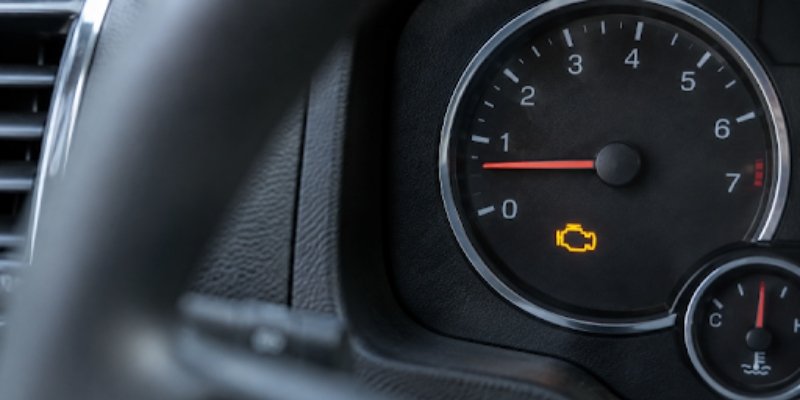
A repair order marked “fixed” only documents what the shop did on that date. It does not guarantee that the underlying problem will not return. For that reason, owners should pay attention to patterns rather than relying on a single verbal assurance that the vehicle is operating normally. Warning signs may include recurring check engine messages, rough or delayed shifting, stalling, reduced engine power, charging system alerts, brake warnings, steering concerns, malfunctioning screens, or inconsistent driver assistance features. A defect can also affect practical ownership by causing missed work, canceled trips, towing needs, rental expenses, and reduced confidence in the vehicle.
Start With a Safety Check
Safety comes before documentation or scheduling another appointment. If the pickup loses braking, steering, or engine power, develops smoke, shows signs of fire, or creates another immediate hazard, move to a safe location if possible and seek appropriate assistance. Do not continue driving just to see whether the warning disappears.
- Take photos or video of dashboard warnings, leaks, smoke, damaged components, or unusual sounds when it is safe to do so.
- Write down the date, mileage, weather conditions, speed, load, and driving situation when the issue occurred.
- Use the vehicle identification number to check for unrepaired safety recalls. A VIN search can identify recalls associated with that specific vehicle.
- If there is no applicable recall but the problem appears safety-related, consider filing a safety complaint with the appropriate federal agency.
- Follow any interim safety instructions provided by the manufacturer or dealership.
A recall is not the same as a warranty repair. Recalls address safety-related defects or noncompliance issues and require a manufacturer’s remedy. A warranty repair involves a problem covered under the vehicle warranty, whether or not the issue is part of a broader recall campaign.
Build a Strong Repair Record
Good documentation turns a frustrating sequence of events into a usable record. Begin a file as soon as the problem repeats, and keep both paper and digital copies whenever possible. Do not rely solely on a service advisor’s notes or a dealership’s online portal.
- Keep every repair order, invoice, inspection report, and parts receipt.
- Record the drop-off date, pickup date, mileage, and stated reason for each visit.
- Save photographs, videos, voice recordings of unusual noises, and screenshots of warning messages.
- Keep towing, rental-car, rideshare, hotel, and other out-of-pocket receipts related to the issue.
- Maintain a simple written log of calls, emails, names of dealership contacts, and the substance of each conversation.
- Note whether the pickup was returned with the problem unresolved or whether the same symptom came back after a repair.
Read Every Repair Order Before Leaving
The repair order should accurately state what the owner reported, not merely list a diagnostic code or a vague phrase such as “customer states noise.” Before signing or leaving the dealership, review the document and ask for corrections where needed. A precise complaint can be important if the condition is intermittent or hard to reproduce.
Details Worth Confirming
- Does the document describe the actual symptom, including when it occurs?
- Did the technician duplicate the issue during testing?
- What diagnosis was reached, and what repair was performed?
- Which parts, software updates, or adjustments were used?
- Was the pickup road-tested after the work was completed?
- Is the concern listed as repaired, unable to duplicate, awaiting parts, or requiring further inspection?
Know What Type of Coverage Applies
Owners should determine whether the work is being handled as a factory warranty repair, recall remedy, service contract claim, or customer-pay repair. Those categories can affect authorization, deductibles, approved facilities, and available reimbursement. Understanding the differences between warranties and service contracts matters because a separately purchased service contract may have different terms from the manufacturer’s warranty. Keep routine maintenance records as well. Receipts for oil changes, inspections, tire rotations, and other recommended services may help show that the vehicle was maintained. At the same time, owners should not assume that any modification or aftermarket part automatically ends all warranty coverage. Coverage questions often depend on the warranty terms and the facts surrounding the specific repair.
Ask Better Questions at the Repair Shop
Clear questions can help prevent misunderstandings and produce better records. Ask the service department what caused the issue, whether it was confirmed during testing, what repair was performed, and whether another system could create the same symptom. If parts are on order, ask for the expected next step and whether the vehicle is safe to drive while waiting. It is also reasonable to ask what should happen if the defect returns. Request that the dealership document continuing symptoms, even if they cannot reproduce them that day. Bring video evidence when possible, and describe the conditions that trigger the problem, such as cold starts, highway speeds, towing, heavy rain, braking, or use of particular electrical equipment.
Track Time Out of Service
The number of repair attempts matters, but time without the pickup can matter too. Create a chronological list for each visit that includes the drop-off date, return date, mileage, stated problem, repair performed, parts delay, and number of days unavailable. Separate repeat visits for the same defect from visits involving unrelated maintenance or repairs. This timeline can help an owner explain the full impact of the issue to the dealer, manufacturer, warranty administrator, or consumer-protection professional. It also prevents confusion when a vehicle has multiple open concerns at once.
Common Mistakes To Avoid
- Waiting until the warranty period is nearly over to report a serious recurring problem.
- Accepting inaccurate or overly vague wording on a repair order.
- Discarding towing, rental, and transportation receipts.
- Failing to record days when the pickup was unavailable.
- Making extensive modifications before an unresolved defect has been documented.
- Continuing to drive despite a warning that presents a potential safety risk.
- Assuming that lemon law requirements are identical in every state.
When To Seek Outside Help
Consider obtaining qualified consumer-protection guidance when the same defect persists after multiple repair attempts, the pickup has been out of service for an extended period, warranty coverage is denied, or the condition poses a serious safety concern. Before speaking with anyone, organize the purchase documents, warranty booklet, repair orders, current mileage, expense receipts, and a concise timeline of unresolved symptoms.
Questions Owners Often Ask
Does one unsuccessful repair automatically create a lemon law claim?
No. State laws differ, and eligibility can depend on factors such as the type of defect, repair opportunities, time out of service, notice requirements, and the timing of the report.
Should the owner keep returning to the dealership?
Owners generally benefit from giving the manufacturer or authorized repair facility a documented opportunity to inspect and repair the concern. However, an unsafe vehicle should not be driven merely to create another repair visit.
Can rental costs or missed work be recovered?
Possible recovery depends on the warranty, service contract, state law, available remedies, and supporting records. Keeping receipts and a detailed loss log is the practical first step.
Conclusion
A new pickup should not become a regular visitor to the repair shop, especially when the same problem keeps returning after previous repair attempts. When a concern continues, respond promptly, document each event carefully, prioritize safety, and understand which warranty, recall, or service coverage rules may apply. Keep copies of repair orders, invoices, diagnostic reports, photographs, videos, and communications with the dealer or manufacturer. Record the date, mileage, symptoms, repairs performed, and how long the pickup remained out of service. It is also helpful to note whether the problem occurs under specific driving or weather conditions and whether the repair actually resolved the original concern. A clear repair history gives owners a stronger foundation for discussing the issue with the repair facility, pursuing the next repair, raising the matter with the manufacturer, or seeking additional guidance when problems continue.