
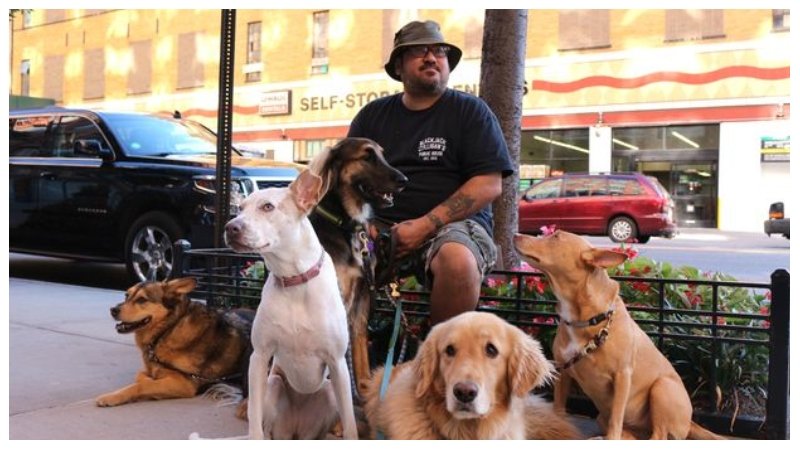
A Year on the Leash: How Dog Walkers in NYC Keep Pups Safe Through Every Season
New York has four seasons, and each one brings its own surprises for dogs. One month, your pup is dodging slush puddles on Broadway. A few months later, the sidewalk is hot enough to burn their paws. In between, there are fallen leaves, holiday crowds, and dropped pizza crusts on almost every block.
A great walker sees all of this coming. They plan the route, pack the right gear, and watch every step your dog takes. That skill is what separates the dog walkers NYC families trust from someone who just holds a leash. Let’s walk through the year and see what that care looks like, one season at a time.
Winter: Snow, Salt, and Slippery Stoops
Winter in the city looks pretty, but it’s tough on paws. Buildings spread rock salt and chemical de-icers to keep sidewalks safe for people. Those same crystals can sting a dog’s paw pads, crack the skin, and upset their stomach if they lick it off later. The ASPCA recommends wiping your dog’s paws after every winter walk.
Good walkers carry paw wipes or a small towel and clean each paw before your dog heads back inside. Many also suggest dog booties or paw balm for dogs with sensitive feet.
Uptown neighborhoods bring extra winter challenges. In Hamilton Heights and Harlem, steep hills and old stone steps get icy fast. In East Harlem and Carnegie Hill, tall snow piles at the corners hide fire hydrants, trash, and sometimes broken glass. On the Upper West Side and Central Park West, walkers watch for icy park paths and keep short-coated breeds like Greyhounds and Chihuahuas bundled in warm coats.
Walker tip: Antifreeze tastes sweet to dogs and is very poisonous. A careful walker steers dogs away from puddles near parked cars and garages.
Spring: Muddy Parks and Tiny Ticks
Spring brings dogs back to the grass, and they love it. Brooklyn’s big green spaces burst back to life. Dogs in Park Slope, Prospect Heights, and Crown Heights head to Prospect Park, while pups in Greenpoint and Williamsburg run straight for McCarren Park. Bushwick dogs enjoy their local dog run, and families in Brooklyn Heights, Cobble Hill, and Boerum Hill stroll toward Brooklyn Bridge Park and its waterfront lawns.
But spring also brings ticks. The NYC Health Department warns that ticks can live in tall grass and wooded areas, even inside city parks. A trained walker keeps dogs on clear paths when they can and does a quick check of ears, neck, and paws after park time.
Spring rain also leaves standing puddles. Puddles in rat-heavy areas can carry leptospirosis, a germ that can make dogs very sick. Walkers steer pups away from drinking from puddles, and many vets suggest asking about the leptospirosis vaccine for city dogs.
Summer: Hot Pavement and Heat Waves
Summer is the season when walkers have to be the most careful. City concrete soaks up the sun and stays hot long after the air cools down. Vets often suggest a simple test: press the back of your hand on the pavement for five seconds. If it’s too hot for your hand, it’s too hot for paws.
Smart walkers shift walk times to early morning or late afternoon on scorching days. They pick shady routes and carry fresh water. The AVMA lists heavy panting, drooling, and weakness as warning signs of heatstroke. Flat-faced breeds like French Bulldogs and Pugs face the highest risk, so walkers keep their walks short and slow.
Shady streets are gold in July. Walkers in Greenwich Village, Gramercy Park, and Stuyvesant Town use tree-lined blocks to keep dogs cool. Along the Hudson River, dogs in Battery Park City, Tribeca, the Financial District, Chelsea, Hell’s Kitchen, and the West Village enjoy river breezes on waterfront paths.
Busy avenues are harder. In Midtown, the Garment District, Flatiron, and Murray Hill, sunny streets and tall buildings trap heat. Here, walkers duck onto side streets and take regular water breaks.
Walker tip: Avoid metal plates, grates, and manhole covers. Stray electricity from underground wires has hurt dogs in NYC before, and Con Edison runs a testing program to find it. A careful walker simply steps around anything metal on the ground.
Fall: Leaves, Litter, and Early Sunsets
Fall feels like the perfect walking season, and in many ways it is. The air is crisp and dogs have lots of energy. But piles of fallen leaves can hide chicken bones, food wrappers, and other things a curious dog might gulp down.
This matters most on busy downtown blocks. In SoHo, Little Italy, Chinatown, The Bowery, the Lower East Side, and the East Village, street food and restaurant trash are everywhere. Walkers here keep a short leash and teach a firm “leave it.” Across the river, walkers in Downtown Brooklyn, Vinegar Hill, and the Navy Yard deal with construction zones and cobblestone streets that can twist small paws.
Once the clocks fall back in November, the sun sets before 5 p.m. Evening walks happen in the dark. Good walkers use reflective leashes, LED collar lights, or bright vests so drivers and cyclists can see them.
What a Pro Walker Carries All Year
The best walkers show up ready for anything. A well-packed walking kit usually includes:
- A sturdy leash and a well-fitted collar or harness
- Plenty of poop bags (NYC law requires cleanup)
- Fresh water and a folding bowl
- Paw wipes and a small towel
- Reflective gear for dark evenings
- A charged phone to send walk updates and photos
Gear helps, but training matters even more. At NYC Pooch, for example, walkers train in person for several weeks and run a safety checklist before every walk. They learn to read canine body language so they can spot stress before it becomes trouble. Each dog gets one dedicated walker, and owners get a GPS-tracked Pup Report after every outing. Since 2002, that steady, personal approach has carried city dogs safely through more than two decades of snowstorms and heat waves.
The Bottom Line
New York changes with every season, and your dog’s walk should too. A skilled walker knows when to slow down, when to find shade, when to wipe paws, and when to say “leave it.” Those small choices add up to a safer, happier dog all year long. When you find a walker who thinks ahead like this, you’ll feel it every time your pup comes home tired, clean, and wagging. Click here for more Information.