
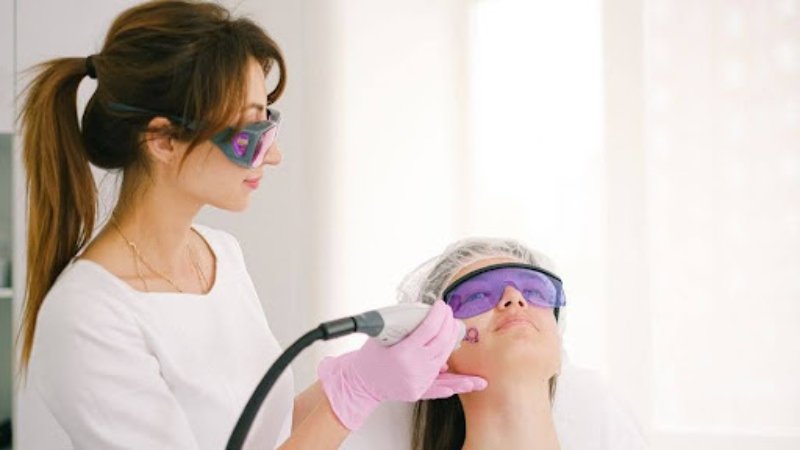
Skin concerns such as acne scarring, uneven texture, fine lines, and sun damage can remain noticeable long after the original cause has passed. That is one reason resurfacing treatments attract attention from people looking for something more intensive than everyday skincare. In Long Island City, where access to cosmetic and dermatologic procedures has expanded alongside continued residential and commercial growth, patients may encounter a wide range of laser options. CO2 resurfacing is among the more aggressive choices. It can produce meaningful changes, but the procedure involves controlled injury to the skin, a real healing period, and risks that should be understood before treatment rather than discovered afterward.
Understand What CO2 Resurfacing Actually Changes
CO2 laser resurfacing is an ablative treatment.
Instead of working only at the surface, the laser removes controlled portions of damaged outer skin while delivering heat into deeper tissue. That thermal effect encourages collagen remodeling as the skin heals.
The treatment may be considered for concerns such as fine lines, uneven pigmentation, rough texture, sun damage, and certain acne scars. It does not correct every cosmetic concern, however. Loose skin, very deep scars, or structural changes may require a different approach.
Fractional CO2 systems treat microscopic columns of tissue rather than removing the entire surface uniformly. Untreated areas between those columns can support healing, which may shorten recovery compared with older fully ablative techniques.
Even so, “fractional” should not be confused with mild.
Treatment intensity varies significantly according to the settings, area being treated, skin characteristics, and intended result.
Make Sure the Treatment Matches the Problem
A stronger treatment is not automatically a better treatment.
Someone dealing with mild discoloration or early texture changes may be able to reach an acceptable result with a less aggressive option. More intensive resurfacing tends to make more sense when the concern is substantial enough to justify the added recovery and risk.
This is where a careful consultation matters.
If you’re considering CO2 laser skin resurfacing Long Island City has plenty of treatment options to explore. The more important step is finding a provider who can assess your skin type, medical history, previous treatments, tendency toward pigmentation changes or scarring, and realistic expectations before deciding whether the procedure is suitable.
Ask what the laser is expected to improve and what it probably will not change.
That distinction can prevent disappointment later.
Your Skin Type Can Affect the Risk Profile
Laser resurfacing does not behave identically on every complexion.
Changes in pigmentation are a recognized complication, particularly after more aggressive resurfacing. Treated skin can become temporarily or, less commonly, persistently darker or lighter than the surrounding area.
People with darker skin tones may face a greater risk of post-inflammatory pigment changes with certain laser settings. That does not automatically rule treatment out, but it makes provider experience and careful device selection especially important.
A thorough evaluation should also cover previous keloids, abnormal scarring, active infections, inflammatory skin conditions, medication use, and a history of cold sores.
Laser treatment can reactivate herpes infections in susceptible patients, which is why preventive medication may sometimes be discussed before resurfacing.
The assessment should feel medical, not purely cosmetic.
Recovery Is Part of the Procedure
CO2 resurfacing does not end when the laser is switched off.
The healing period is part of the treatment itself.
After ablative resurfacing, swelling, redness, warmth, itching, and peeling are expected to varying degrees. New surface skin commonly develops over roughly the first week or so, although visible redness and sensitivity may continue much longer depending on treatment depth.
A detailed overview of laser resurfacing recovery explains that new skin typically covers the treated area within about seven to ten days after ablative treatment, while full recovery takes longer.
That difference matters.
Being technically healed enough to stop wound care does not necessarily mean the skin looks completely normal again.
Plan around work, social commitments, travel, and important events accordingly.
Aftercare Can Affect Both Healing and Results
Freshly resurfaced skin needs careful treatment.
Your provider may recommend gentle cleansing, protective ointment, specific moisturizers, and temporary avoidance of products that could irritate the healing surface. Instructions vary with treatment depth and individual circumstances, so generic skincare advice should not replace the plan given by the treating clinician.
Sun protection becomes particularly important.
Recently treated skin is more vulnerable to pigment changes, and excessive ultraviolet exposure can interfere with the cosmetic result. Strong sun avoidance during healing, followed by consistent sunscreen use, is usually part of long-term care.
Picking or peeling skin should also be avoided.
It may be tempting when the surface begins flaking, but disturbing healing tissue can increase irritation and potentially contribute to scarring or discoloration.
Recovery tends to go better when aftercare is treated as part of the procedure rather than an optional final step.
Know the Complications Before You Focus on the Results
Before-and-after photographs naturally emphasize improvement.
They do not show every possible outcome.
Potential complications from laser resurfacing include prolonged redness, swelling, acne-like eruptions, milia, infection, pigment changes, and scarring. Ablative approaches generally involve greater risk and longer recovery than nonablative treatments.
An overview of laser resurfacing and its possible complications includes swelling, burning, itching, infection, scarring, and pigmentation problems among recognized risks.
These complications are not guaranteed, but they deserve discussion.
Ask the provider how frequently they see them, which warning signs require medical attention, and what support is available if healing does not follow the expected course.
That conversation often tells you as much about the provider as the treatment itself.
Expect Improvement Rather Than Perfection
Laser resurfacing can improve the appearance of damaged skin. It does not replace skin with a flawless new surface.
Acne scars may become less noticeable without disappearing completely. Fine lines can soften but still remain. Pigmentation and texture can improve unevenly.
Results also develop over time.
Some visible changes appear as the surface heals, while collagen remodeling continues afterward. Depending on the treatment technique, desired result, and skin condition, more than one session may occasionally be considered.
This is why realistic expectations are important before treatment.
Look at before-and-after photographs involving people with skin concerns and skin tones similar to yours rather than simply focusing on the provider’s most dramatic examples.
Natural improvement is a more useful goal than perfection.
Timing Matters More Than People Expect
Recovery can interfere with ordinary routines.
If you have an important event, outdoor trip, wedding, photography session, or major professional commitment approaching, aggressive resurfacing may need to be scheduled well in advance.
The visible healing phase is only part of the issue.
Skin may remain pink or sensitive after the initial peeling has finished. Sun exposure also needs greater attention, which can make certain travel or outdoor plans inconvenient.
Think beyond the procedure date.
Ask when makeup can safely be used again, when exercise can resume, when normal skincare products can return, and how long persistent redness could realistically last.
A treatment that produces a good result can still feel like a poor decision if the timing creates unnecessary stress.
Judge Value by More Than the Session Price
Price varies with treatment area, device, intensity, and provider.
Comparing numbers alone is rarely useful.
A lower treatment price may not represent better value if consultation is rushed, screening is weak, follow-up is limited, or aftercare instructions are unclear.
Ask what is included.
Does the cost cover follow-up appointments? Are post-treatment products included or separate? What happens if healing needs additional medical attention? How is treatment intensity chosen?
Those questions give the price some context.
With an ablative procedure, clinical judgment and follow-up matter at least as much as the equipment being used.
Make the Decision Based on Your Own Skin
CO2 resurfacing makes the most sense when there is a defined concern, lighter options are unlikely to provide the desired degree of improvement, and the patient accepts the recovery involved.
It should not be an impulse decision.
Take time to understand the procedure, discuss your medical history, compare alternatives, and ask how your particular skin may respond.
A good consultation should leave you with a clearer understanding of both the potential improvement and the limitations.
If the conversation focuses almost entirely on dramatic results while brushing past healing, pigment changes, infection, or scarring, keep asking questions.
Cosmetic treatments work best when enthusiasm is balanced with judgment.
CO2 resurfacing can be a useful option for the right person, but the decision should rest on appropriate screening, realistic expectations, careful technique, and responsible aftercare.
Those details matter more than the promise of simply getting “better skin.”